Venezuelan Coffee in History
From the picturesque mountains to the sun-drenched coffee fields, Turtle Coffee has dedicated seven years to the art of establishing a unique flavor of Venezuelan coffee. Venezuela was once one of the top three coffee producers in the world, with its production peaking in 1919 before the dramatic rise of the domestic oil industry, which completely reshaped the nation's economic landscape. For over a century, coffee was the lifeblood of the Venezuelan economy, building infrastructure, establishing trading ports, and spreading deep cultural roots that endure unto this day.
The wealth generated by coffee built Venezuela's early modern infrastructure. Historic processing hubs like Calogero Paparoni’s Hacienda La Victoria in Mérida served as massive economic engines, sending high-quality beans over the mountains to the bustling port of Maracaibo for worldwide shipping.

We believe coffee is more than a morning ritual; it is a bridge between worlds. Since 2019, our Savannah roastery has brought the rare, exquisite flavors of Venezuelan highlands straight to your cup, celebrating our family traditions, sustainable farming partnerships, and the vibrant coastal community we call home.
Turtle Coffee
My Vow to the World
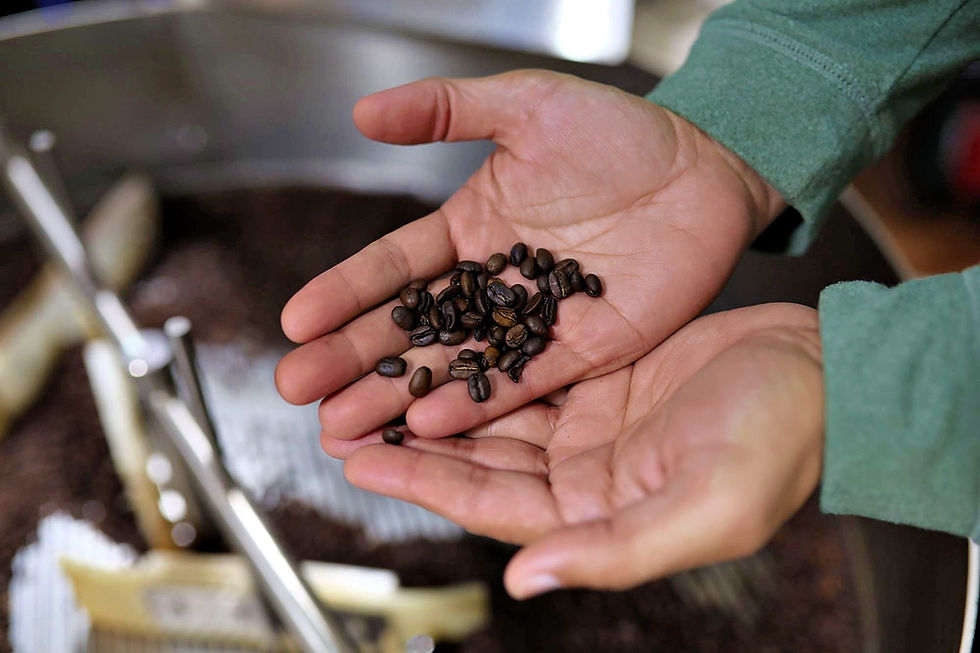
Coffee Roasting is my medium for translation. I translate the silence of nature, the language of the coffee bean itself. My goal is not to conquer nature, but to be granted a fleeting glimpse into its soul where the wild beans grow. If my brews can inspire one person to feel a deeper connection to our planet and a stronger love for the coffee beans that come from it, then my work has found its true purpose.

The First Sowing: The plants initially spread across the Caroní River basin. By 1783–1784, the first formal coffee crops were planted in Caracas at the Hacienda Blandín.
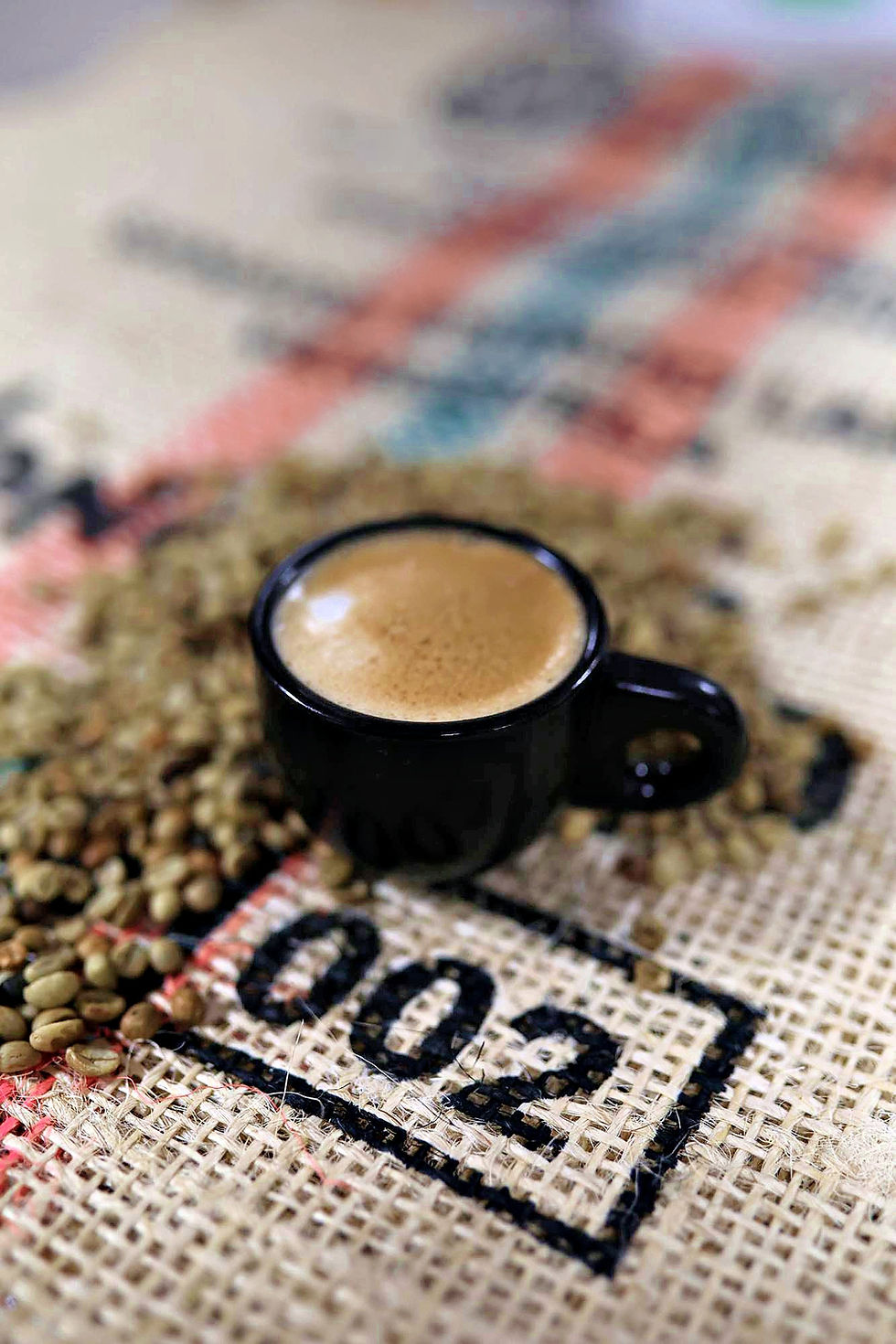
The First Cup: In 1786, the very first cup of Venezuelan-grown coffee was served at Hacienda Blandín, marking the birth of a profound national coffee-drinking culture.
A History of Savory Perfection

-
By the 1950s, the irresistible pull of the booming oil industry drew labor away from rural mountainsides and into rapidly growing urban centers. Countless historic coffee estates were left unharvested or entirely abandoned.
Innovation and Domestic Preservation (1960s–2000s)
-
The Specialty Legacy: Although export volume shrank to less than one percent of the global market by 2001, Venezuela never lost its love for premium coffee. Domestic roasters continued to meticulously cultivate and preserve prized, heritage Arabica varieties like Typica, Bourbon, and Caturra.
After achieving independence, Venezuela's coffee output exploded. By the 1830s, the nation was exporting thousands of tons annually, trading closely with European markets—particularly Germany. At its absolute peak in 1919, Venezuela exported over 82,000 tons (nearly 1.4 million bags), cementing its status as a top-three global coffee giant, second in South America only to Brazil.